Physical Address
304 North Cardinal St.
Dorchester Center, MA 02124
Physical Address
304 North Cardinal St.
Dorchester Center, MA 02124

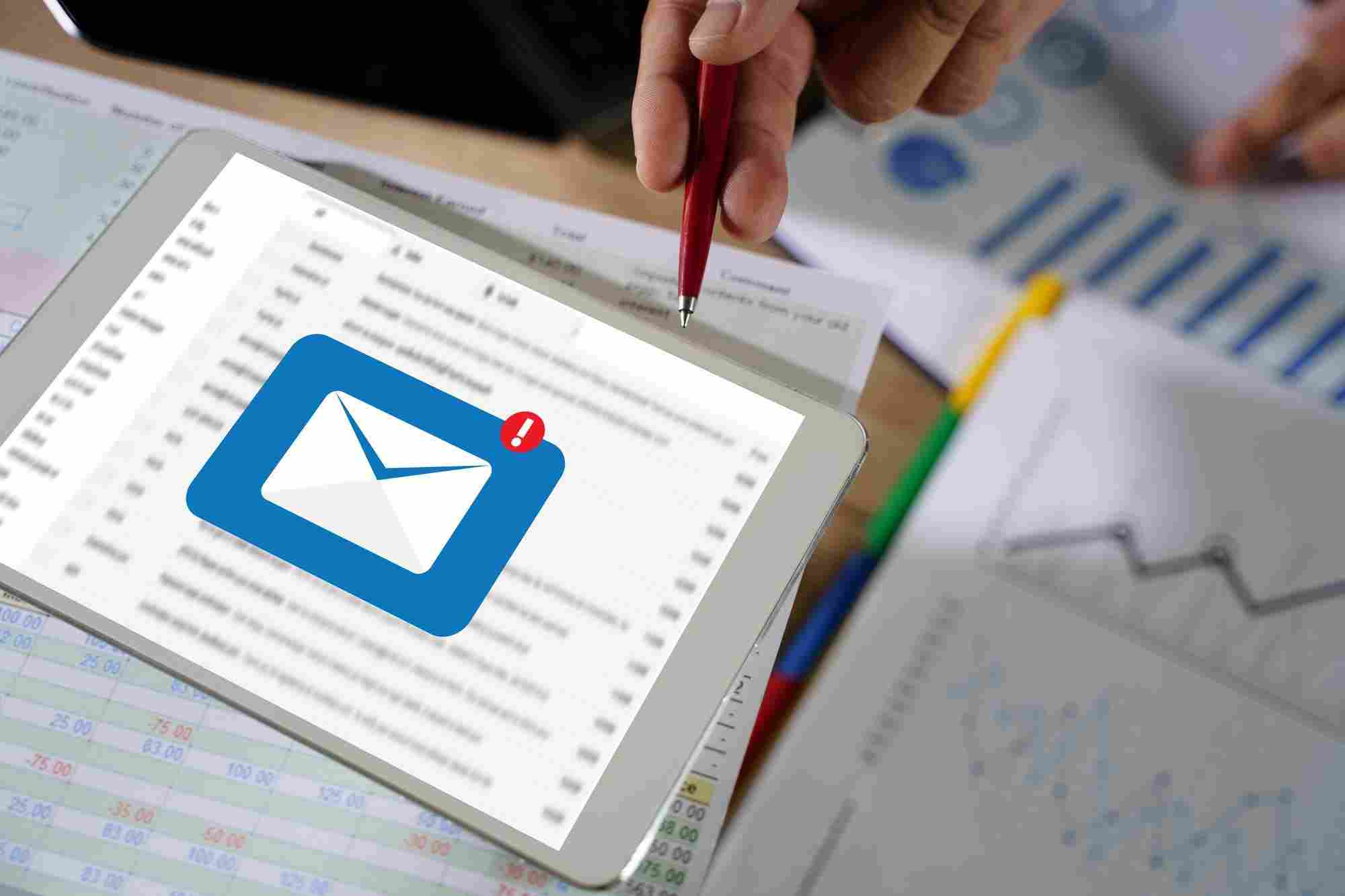
Email bounce rate is one of the most important factors in email marketing. Higher bounce rates indicate your messages are not reaching your audience, which directly damages the sender’s reputation, reduces deliverability, and affects your overall email and SMS campaign performance. Bounces are a challenging but unavoidable aspect of being an email marketer, no matter how premium the email service provider (ESP) you use.
Ideally, your email bounce rate should be below 2%. If it rises above that level, it indicates problems with your email list, sending practices, or authentication setup.
In this blog post, you’ll discover the practical strategies to help you reduce your email bounce rate and improve email deliverability while sending bulk email.
The email bounce rate is the percentage of emails returned to the sender because they were not delivered to the intended recipient. Email bounce rate is an important metric for marketers, email marketing services, business operators, analysts, and SaaS teams. It tells you how well or poorly your email campaigns are performing.
“Reducing bounce rate means fewer missed opportunities and more real conversations with your audience.”
When the bounce rate is high, it’s a sign that spam filters are blocking your emails or that they’re not getting to the right audience. This can be the biggest disadvantage to your email marketing efforts because it affects the sender’s credibility and overall deliverability. By identifying why it occurs, you can make your emails more effective to increase conversions.
Use the following simple formula to calculate your bounce rate:
Bounce rate = (number of bounces/number of delivered emails) x 100
A poorly maintained email list is one of the most common causes of high bounce rates. Most people change their email addresses or sometimes unsubscribe without even updating their information. Cleaning your list regularly helps remove invalid email addresses, inactive subscribers, typos in email addresses, and spam trap addresses.
After each campaign, remove hard bounces immediately, as repeatedly sending emails to invalid or unreliable addresses can harm your sender reputation. Using email verification tools before sending campaigns can help you identify risky or fake email addresses.
“Every invalid email removed is one step closer to better deliverability and stronger engagement.”
According to a trusted email service provider, TrueSend, one of the best strategies to lower the bounce rate is to use a double opt-in process. In this system, subscribers receive a confirmation email that asks them to click a link to verify their email address before joining your email list.
By using a double opt-in process, you ensure the email address is valid and that the subscriber genuinely wants to receive the emails. Fake or mistyped emails are filtered out, keeping your email list healthier and bounce rates lower. You’ll easily find the platforms that offer free bulk email services and marketing automation tools for businesses in the same place.
Here’s how it works: A user signs up using your form, receives a confirmation email, and then clicks a verification link to confirm the subscription.
When emails are sent from a professional domain (abc@xyz.com) rather than a free email service (@gmail.com), it helps you build credibility and trust with your recipients. Emails sent from free domains are often flagged as less reliable and end up in spam folders. Email authentication helps email providers verify that your emails are legitimate and not spam.
To improve deliverability and reduce bounces, you need to set up authentication protocols like SPF (Sender Policy Framework), DKIM (DomainKeys Identified Mail),
DMARC (Domain-based Message Authentication, Reporting & Conformance).
Purchasing email lists might seem like a quick way to expand your audience, but it often leads to major deliverability issues. Purchased lists usually contain outdated addresses, spam traps, inactive users, and fake signups. Sending emails to these addresses may result in high bounce rates and spam complaints. Instead of buying the email list, you can build your email list organically through website forms, lead magnets, webinars, and newsletters.
A smaller but engaged list performs far better than a large but unverified list.
When you send the same email to everyone on your email list, it directly reduces engagement and increases the chances of emails being ignored or flagged, which leads to bounces later. Segmenting your email list enables you to divide your audience on the basis of factors like interests, purchase history, location, engagement level, and customer lifecycle stage.
For example, you can simply segment your list into groups like “active subscribers,” “inactive subscribers,” and “engaged subscribers.” When you send targeted content to each segment, it will maintain the engagement and reduce the bounce rate.
When your subscribers receive relevant emails, they are more likely to open and interact with them. Higher engagement signals improve your sender reputation and reduce deliverability issues.
Using a reputable email service provider (ESP) plays an important role in email deliverability and can significantly improve the results. Good ESPs offer a strong sending infrastructure, a high-reputation IP address, automated bounce handling, spam compliance tools, and list management features.
With trusted platforms like TrueSend, your email campaigns will help you reduce bounce rates.
Most email providers use spam filters to identify suspicious content. Your emails might be blocked or bounced if they use language that sounds like spam. There are some common spam trigger phrases, like “Free offer,” “Act now,” and “Limited time deal.”
If you want to reduce the chances of being flagged or blocked, make sure you use clear, natural language; maintain a balance of text and images; avoid stuffing with unnecessary or excessive links; and write valuable, informative content. Well-structured emails improve inbox placement and reduce delivery failures.
Tracking your email campaign performance helps you identify problems early and take action to improve the results. Key metrics to monitor include bounce rate, hard bounces vs. soft bounces, open rate, spam complaints, and unsubscribes.
If you notice a sudden increase in bounce rate, scan for possible causes like list issues, server issues, or authentication errors. Regular monitoring allows you to fix issues quickly before they impact future campaigns.
A small bounce rate is normal in email marketing services. However, a high bounce rate can seriously harm your email deliverability and sender reputation. You can follow the tips above to reduce the bounce rate in bulk email campaigns.
To keep the bounce rate below 2%, focus on cleaning the email list, using double-opt-in subscriptions, authenticating your email domain, avoiding purchased email lists, and sending relevant, valuable content.
When you follow these practices, you can improve your email deliverability, reach more subscribers, and achieve better results from your email marketing campaigns.
With TrueSend, you can send bulk emails without warmup, with intelligent IP warmup solutions, and with proactive deliverability, using real-time analysis and continuous monitoring. We offer expert support and the infrastructure you need to send unlimited emails without lengthy delays. Choose TrueSend as your email marketing partner, and grow your business like never before!