Physical Address
304 North Cardinal St.
Dorchester Center, MA 02124
Physical Address
304 North Cardinal St.
Dorchester Center, MA 02124

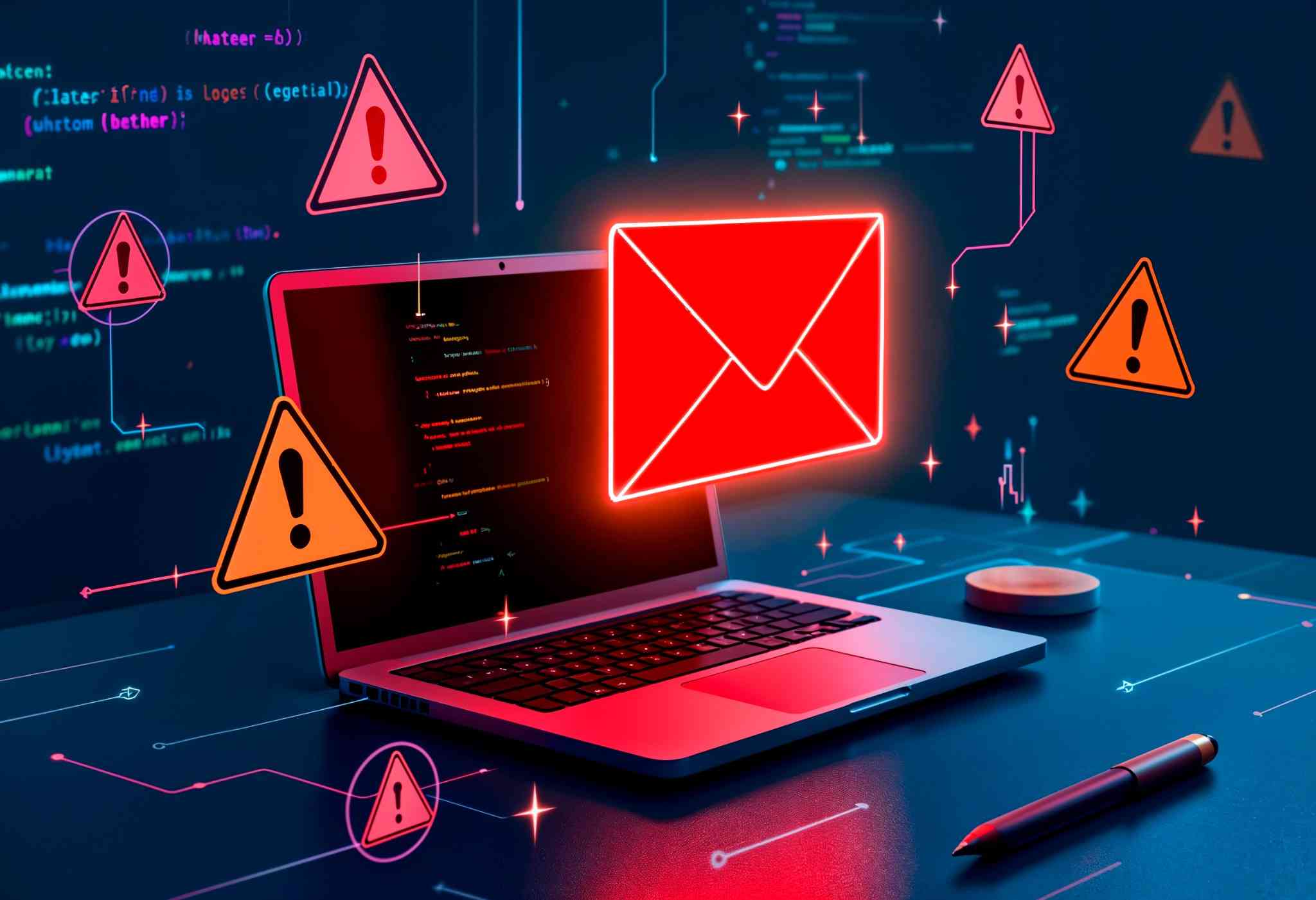
Email marketing is often praised as the highest-ROI digital marketing channel. With billions of daily email users worldwide, the opportunity is undeniable. And yet, most email marketing campaigns underperform.
As an agency that now manages multi-million-subscriber databases, complex automation funnels, and high-converting email campaigns across industries, we didn’t get here without failure. In fact, our biggest growth came from painful, humbling email marketing mistakes.
This isn’t a highlight reel. It’s a behind-the-scenes look at my top three email marketing fails, the lessons learned, and actionable recommendations to help you avoid the same traps. If you’ve ever struggled with low open rates, poor click-through rates, high unsubscribe rates, or disappointing conversions, this article is for you.
Here’s what happened. In our early days, we believed volume equaled visibility. We built a decent-sized email list and made certain assumptions.
We sent out mass emails to everyone on file without changing the subject line, content, offers, or CTA’s for any of them. No segmentation or targeting, and only a first name tag for personalisation. Revenue came in slowly at first, but we noticed a rapid decline in opens, clicks, unsubscribes and complaints. We were destroying our relationship with our audience. From that point on, we realised email marketing isn’t about sending out giant batches of emails, but about creating relevant content for your target audience.
When you do not segment your email list, you:
Basically, you become noise.
Segmentation is mandatory; it gets to the heart of what we do: We’ve completely restructured our business and are using multiple metrics to segment our customers:
By segmenting our email list this way, we had some amazing results: Higher open rates, Better click-through rates and higher conversion rates. We also saw a decrease in unsubscribes, and our sending reputation improved. Relevant email content sent to your subscribers results in improved engagement naturally. So if you’re making an email marketing mistake, you need to start here:
Here is our second mistake. We became very good at writing high-performing subject lines, and this is not to toot our own horn. We tested everything under the sun, from curiosity-driven headlines to urgency-driven lines. Sometimes we tried our luck with power words and emotional triggers.
Well, one outcome was our open rates skyrocketing. But, somehow, the conversions didn’t happen. Why? Because while the subject lines were compelling, the email body lacked depth and value. We were optimising for clicks, not trust. We used generic sales language, aggressive CTAs, “Limited time only!”, and the world-famous, “Don’t miss out!”. It felt promotional. It felt pushy. It lacked a brand voice.
People opened the email and left.
We studied campaigns that actually converted in the long term. The common factor? They are educated. They nurtured. They solved problems. Subscribers don’t want constant sales. They want insights, solutions, stories, clarity and most importantly, practical value.
Once we shifted from “How do we sell?” to “How do we serve?”, everything changed.
Each time you send out a promotional email, you should send two to three types of value-added emails. Examples include:
The results were immediate. Our click-through rates, replies and organic conversions increased significantly after we adopted these strategies. Because once you establish trust between yourself and your subscriber, selling becomes much easier.
I suggest following these recommendations to succeed in email marketing:
You want to think of email as if it were a business advisor or an advertisement (the email). This failure hurt the most for our team, and here’s why: we spent most of our time thinking about the writing, design, and offers that we would use in the emails to subscribers, while ignoring the following:
We assumed that if the email looked good on the desktop, it was fine. Then the warning signs appeared. We saw an increase in bounce rates, a decline in Deliverability, our emails started landing in spam, and in the end, engagement plummeted. We were unknowingly damaging our sender’s reputation.
Email marketing mistakes don’t just affect one campaign. They affect ISP trust, long-term inbox placement, domain reputation and future campaign performance. An outdated email list can quietly sabotage your entire strategy. Inactive subscribers reduce engagement rates, which signals inbox providers that your emails are unwanted.
Deliverability is the backbone of email marketing success. So we revamped, and we implemented the following things.
In a few months, we had completely reclaimed the ground lost in all of our metrics. Here’s our recommendation for avoiding technical email marketing errors:
In the end, our failures were not due to tactics but rather to our approach/strategy: From volume to precision, from selling to serving, from short-term gains to long-term trust. Thus, Email Marketing is more than a promotional message; it is a relationship message! All relationships require Respect, Relevancy, Consistency, Authenticity, and value – here are some key areas we’ve learned to avoid.
Don’t fret if your email marketing campaigns are struggling. Email is effective for most companies; however, if they don’t use it correctly, many will be unsuccessful. Here’s how to revamp your email marketing strategy:
1. List Audit: Remove inactive email lists. Email performance is more about the quality of your list than the quantity.
2. Segmentation: Segmentation of your email list with even the most basic criteria can greatly increase the performance of your campaigns.
3. Subject Line Development: Curiosity + Clear = Authentic > Hype
4. Email Content – Keep it Simple: One email – One message – One CTA
5. Automation of Customer Journey: Create your welcome series, abandoned cart flows, re-engagement campaigns, and post-purchase nurturing.
6. Test, Test, Test: Subject lines, sending time, position of CTA, length of email, etc.
7. Mobile – More than 50% of all emails are opened on mobile devices – Design accordingly.
8. Deliverability Protection – Performing regular health checks on your email list is essential.
The truth is, we grew as a leading email marketing agency because we were imperfect. We learned from our failures, adjusted our strategies, and continued to optimise our results. Each mistake made in our email marketing led us to:
Today, email marketing remains among the most effective forms of digital marketing. However, it can only be successful when it is planned, segmented, provides value for those on the list(s), is tested, and follows appropriate technical best practices.
If you are currently experiencing challenges such as low open rates, reduced customer engagement, or inconsistent conversion rates, don’t quit! Instead, Audit. Refine. Rethink. Because when email marketing is executed successfully, it creates not just an avenue through which to generate revenue but also contributes to building brand loyalty, and some of my best experiences with email marketing have come from learning what doesn’t work!