Physical Address
304 North Cardinal St.
Dorchester Center, MA 02124
Physical Address
304 North Cardinal St.
Dorchester Center, MA 02124

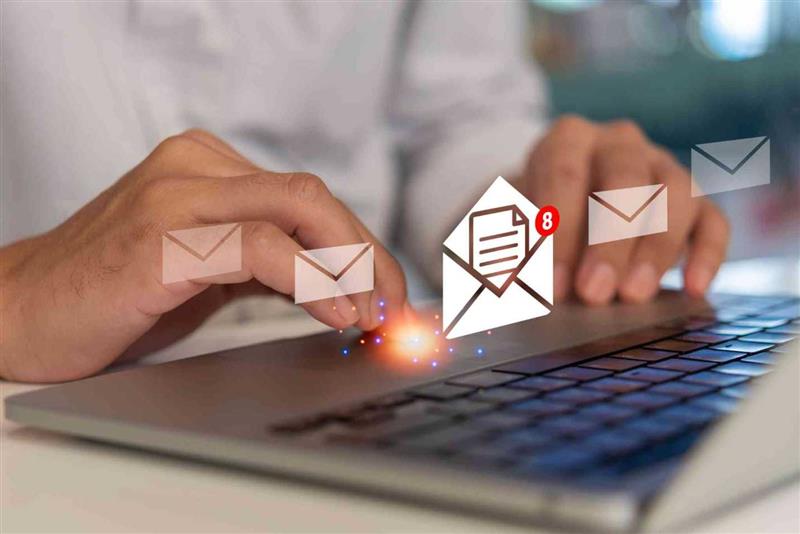
Email marketing is one of the most effective ways for businesses to connect with their audience. However, sending the same message to every subscriber rarely produces the best results. This is where email marketing segmentation can help.
When subscribers are divided into smaller groups based on shared characteristics, marketers can deliver more relevant content, improve engagement, and increase conversions.
Research shows that segmented email campaigns can generate higher engagement and click-through rates compared to non-segmented campaigns. In some studies, segmented emails have generated click rates up to 142% higher and engagement rates over 100% higher because the content is tailored to the recipient’s interests.
This article explains what email segmentation is, why it matters, and the most effective technique you can use to improve your campaign outcomes.
The process of dividing your email subscribers into smaller groups based on specific data such as demographics, behavior, purchase history, or engagement levels is known as email list segmentation. Instead of sending a generic email to your entire list, segmentation lets email marketers deliver targeted messages to the right audience.
For example, new subscribers may receive welcome emails, existing customers may get product updates, and inactive users may receive re-engagement campaigns.
This method helps businesses deliver more personalized, relevant communication, leading to higher open rates, stronger customer relationships, and better conversions.
Many people think that segmentation is just a marketing trend, but there’s more to it because it directly affects campaign performance and ROI. Some key benefits include the following factors:
When emails are relevant to subscribers, they are more likely to open and click your emails. Segmented campaigns usually generate higher engagement compared to general email campaigns.
Sending personalized offers to the right audience increases the likelihood that subscribers will take action, like making a purchase or signing up for a service.
Many users unsubscribe from email lists when the content feels irrelevant. Segmentation ensures subscribers receive information aligned with their interests.
Higher engagement signals to email service providers that your emails are valuable, which can improve inbox placement and overall deliverability.
Companies using segmented campaigns often experience stronger ROI and improved customer lifetime value because their messaging is more targeted.
There are multiple email segmentation techniques that most digital marketers use today. Here are some of the most effective segmentation techniques used by successful marketers:
Demographic segmentation divides subscribers based on characteristics like age, gender, occupation, income level, and industry. This method helps businesses design their messaging based on the audience profile. Demographic segmentation works well as a foundation for more advanced segmentation strategies.
Example:
A financial services company may send retirement planning tips to older audiences while sharing investment basics with younger subscribers.
Geographic segmentation is the type of process of grouping subscribers based on their location. This can include country, city, or region, time zone, and local events or seasons. Location-based segmentation allows marketers to send regionally relevant content.
Consider an example of an e-commerce brand that may promote winter clothing to colder regions while highlighting summer collections for warmer areas. It is also helpful for sending emails at the optimal time based on the recipient’s time zone.
Behavioral segmentation focuses on how users interact with your business or emails.
Common behavioral segments include website browsing activity, past purchases, cart abandonment, email opens and clicks, and content downloads.
This is one of the most powerful segmentation strategies because it reflects real customer intent and interests. This helps marketers send messages that match the subscribers’ current stage in the buying journey. For example, users who abandoned their cart may receive reminder emails, and frequent buyers may receive loyalty rewards.
Not every subscriber interacts with your email the same way. Engagement segmentation divides your audience based on their activity level. These typical engagement groups include highly active subscribers, occasional readers, and inactive users.
Each group should receive different messaging strategies. This technique helps you maintain the quality of your email campaign list and improve overall campaign performance.
Example: Active users may receive promotions and product updates, while inactive users may receive re-engagement campaigns or exclusive incentives.
Customers interact with brands through different stages of the customer lifecycle.
These stages may include new subscribers, leads, first-time customers, repeat buyers, and loyal customers. Segmenting based on lifestyle stage allows marketers to send the right message at the right moment.
For example, new subscribers may receive onboarding emails, and loyal customers may receive exclusive offers or loyalty rewards. Lifestyle segmentation strengthens customer relationships and improves retention rates.
For e-commerce businesses, purchase data is extremely valuable, and, based on purchase history, subscribers can be segmented by products purchased, purchase frequency, average order value, and product categories of interest. This allows businesses to send targeted recommendations. This approach increases cross-selling and upselling opportunities.
Example: A customer who previously bought running shoes may receive a recommendation for sports apparel or accessories.
Interest segmentation groups subscribers based on their preferences and interests. These interests may be identified through signup forms. Website behavior, content interaction, and surveys or preference centers. When content aligns with each subscriber’s interests, marketers can improve engagement and satisfaction. For example, a digital marketing newsletter may segment subscribers based on interests such as SEO, social media marketing, or email marketing.
Email segmentation can improve the effectiveness of your email marketing campaigns. When you divide subscribers into meaningful groups and deliver personalized content, your business can significantly increase engagement, conversions, and customer satisfaction.
From demographic and geographic segmentation to behavioral and lifecycle strategies, the primary goal is to understand your audience and deliver the right message at the right time.
Companies that invest in smart segmentation techniques will improve their mail marketing outcomes and build stronger connections with their customers in the long run.