Physical Address
304 North Cardinal St.
Dorchester Center, MA 02124

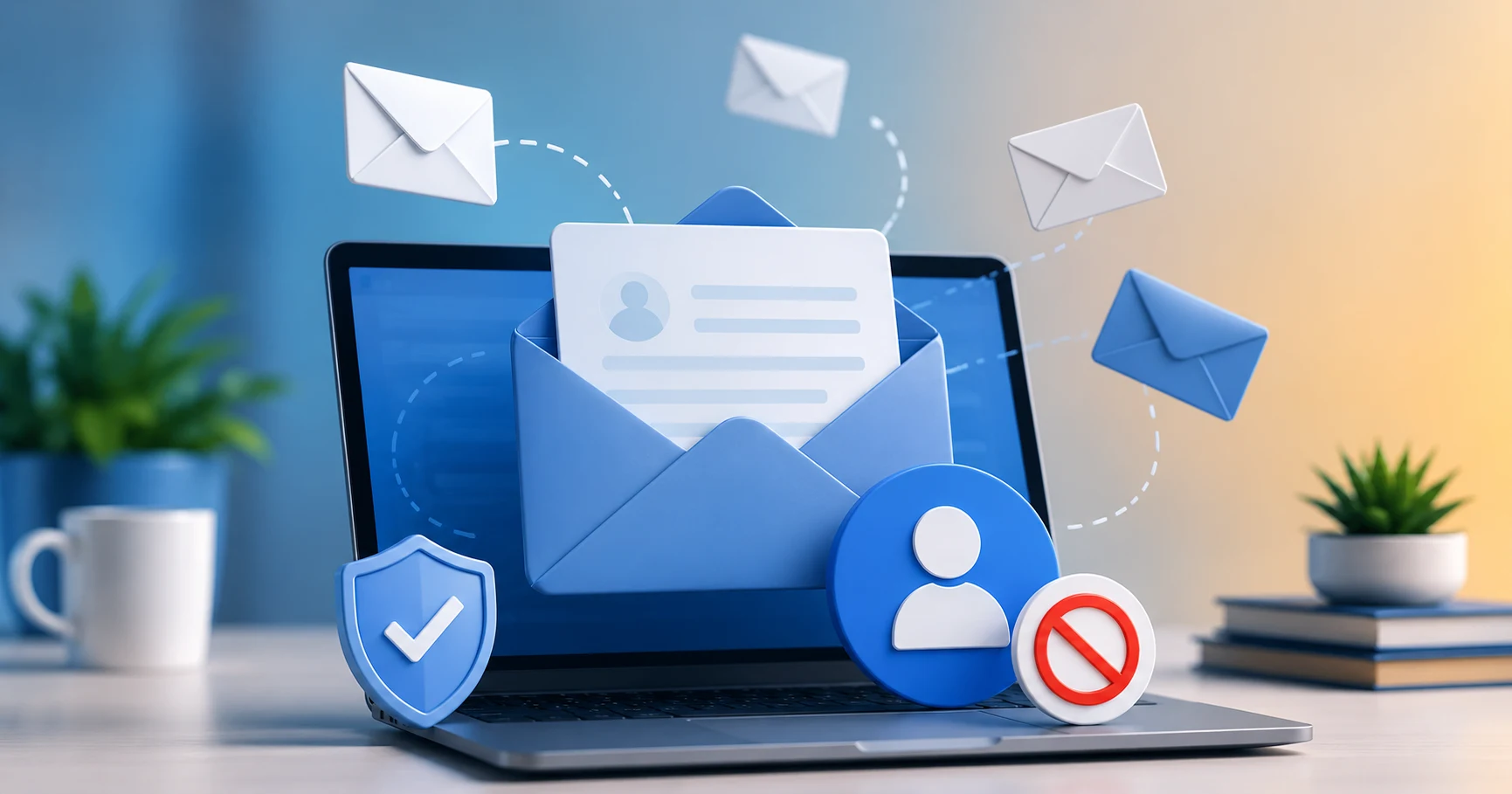
You’ve seen it dozens of times in your inbox with the email address noreply@somecompany.com or donotreply@brand.com. You had a question, maybe a complaint, and you hit reply only to get a bounce-back. Frustrating, right?
That experience is exactly why the noreply email address has gone from industry standard to email marketing pariah. In this guide, we break down what a no-reply email actually is, the real damage it does to your business, and most importantly, the smart alternatives in email campaigns that protect your email deliverability and keep customers happy.
Table of Contents
Toggle
A no-reply email address is an automated email address configured to send messages but not receive them. It’s typically formatted as noreply@company.com, no-reply@company.com, or donotreply@company.com; the domain changes, but the intent stays the same, which is to keep replies out.
In simple terms, the answer to “what is a noreply email” is a one-way communication channel. When a recipient hits reply, their message either bounces back undelivered or disappears into an unmonitored inbox that no one ever checks.
The noreply email meaning shows up in everyday life more than you’d think:
The message these addresses send is clear “We’re talking at you, not with you.” While that may feel operationally efficient, the real-world consequences are far more damaging than most businesses realize.
“Noreply addresses are the brick wall of digital marketing. No matter how much recipients try to get their message through, there’s just no way to contact the sender.”
This is where it gets critical. Using a noreply email address for your email campaign or transactional messages isn’t just bad manners, but it actively hurts your business across four key areas.
Email deliverability best practices all revolve around one core principle: engagement signals. Gmail, Outlook, and other inbox providers track how recipients interact with your emails through opens, clicks, replies, and forwards. A noreply setup cuts off one of the most powerful positive signals available, the reply itself.
Spam filters often treat no-reply emails as unreliable messages because they limit engagement and trust signals. It can hurt email deliverability. If your domain can’t receive emails or doesn’t have a valid MX record, many email providers can even block your messages. Platforms like Gmail and Outlook also classify incoming messages according to email open rates and user engagement. So your noreply email can be sent to the Promotions folder instead of going to the recipient’s primary inbox.
Let me tell you that if you get too many spam complaints, your domain can get blacklisted. This means even your important and genuine emails may stop reaching inboxes.
Your email list is made up of real people who gave you permission to reach them. A noreply email address sends an unmistakable signal that “We don’t care what you think.”
Industry experts have seen cases where customers unsubscribed from some of their favorite brands because noreply email addresses were not being monitored. In an era where customer experience is a competitive differentiator, that’s an entirely avoidable mistake.
When people can’t reply, there are high chances they’re gonna hit the spam button. Let me tell you that any spam complaints directly damage your sender reputation and deliverability. Gmail and other providers track reply rates as a positive engagement signal. By blocking replies, you’re cutting off one of the most powerful signals that your emails are wanted.
This is the risk businesses most frequently underestimate. No-reply email addresses don’t quite agree with GDPR compliance rules. In some countries, this practice is even considered illegal. If someone wants to unsubscribe from your list, they should be able to do so in the simplest steps possible. If they miss the unsubscribe link, they may flag you as spam or block you as a sender.
No-reply emails are a quiet but serious compliance risk for Indian businesses, too.
Under India’s DPDPA, 2023, users must be able to withdraw consent and raise complaints as easily as they gave consent. A no-reply email blocks this process and can expose businesses to penalties of up to ₹50 crore.
Thus, businesses should always allow easy unsubscribe and communication options to stay compliant and maintain user trust.
Every reply you never receive is feedback, a question, or a complaint that goes unresolved. When your automated email address is a dead end, you lose the intelligence your business needs to improve, and customers lose confidence in your brand.
Basically, a noreply email address costs you inbox placement, customer loyalty, and potentially your legal standing, all to avoid managing a few extra emails per day.
The good news is that switching away from noreply is straightforward. Here are the most effective alternatives you can use:
The most effective fix is replacing the noreply email address with a real, monitored one. Choose an address that signals both purpose and approachability:
While “noreply” says “I don’t want to hear from you,” “hello” does the exact opposite. It’s an invitation to interact. That single change can meaningfully improve open rates and subscriber trust.
Most email service providers, like TrueSend, allow a Reply-To address, which means emails are sent from a system address, but replies go to a real, monitored inbox. It keeps sending automated while still allowing human replies.
If you must use a no-reply email for automated messages, make its purpose clear, such as newsletter-noreply@company.com. This helps users understand the type of email they are receiving and reduces confusion.
Also, you should always include clear support or contact details in the email body so users know exactly where to reach out if they need help or have questions.
Email authentication tools like SPF, DKIM, and DMARC help verify that your emails are genuine and not spam. They protect your sender reputation and improve deliverability. This is a non-negotiable email deliverability best practice regardless of which sending address you use.
When you know “what is a noreply email?”, you must also understand where you can use it. There are narrow, legitimate use cases where a noreply email address is acceptable:
Take note that when you use noreply emails in such situations, you should include a clearly visible path to your contact team in that email. Transparency is the key line between you and your users.
The noreply email address was created to save time and improve efficiency. But now it creates problems with customers, spam filters, compliance rules, and email deliverability.
Every time someone receives an email from noreply@yourbrand.com and can’t reply, you know you’re indirectly telling them that your convenience is superior to their experience. In 2026, your customer and inbox algorithms notice everything.
It’s high time to switch to a monitored address if you use noreply. You can configure a Reply-To field and authenticate your domain. These aren’t just email deliverability best practices, but they’re the baseline for any brand that takes email seriously. The brands winning in email aren’t the ones blasting email campaigns from unmonitored noreply inboxes. They’re the ones making subscribers feel heard. That starts with simply letting them hit reply.
What does noreply mean?
Noreply is an email sender address that is often written as a no-reply@company.com that any organization or business uses to update or notify their users of something. It is automated and sends one-way messages. You cannot reply to it. If it is sent, it bounces or goes unread.
Is “noreply” considered spam?
No-reply email addresses are not spam by default, but spam filters often treat them as low-trust messages. As a result, these emails may land in the spam folder and prevent real two-way communication with users.
When should I use “noreply”?
You should use Noreply only when it is important. For example, use it for automated, transactional, or system emails where you are not expecting replies. Avoid using them for newsletters, marketing campaigns, or any message where recipient feedback is valuable.
How do I avoid using “noreply”?
Use a real, monitored email address like support@yourdomain.com instead of a “noreply” ID so users can reply. An email service provider like TrueSend can help you manage replies and keep communication active and organized.
What is an example of a noreply email?
The no-reply email example is “no-reply@companyname.com” or “noreply@companyname.com”, and these emails do not receive any reply. If you send any, it will go unanswered.