Physical Address
304 North Cardinal St.
Dorchester Center, MA 02124
Physical Address
304 North Cardinal St.
Dorchester Center, MA 02124

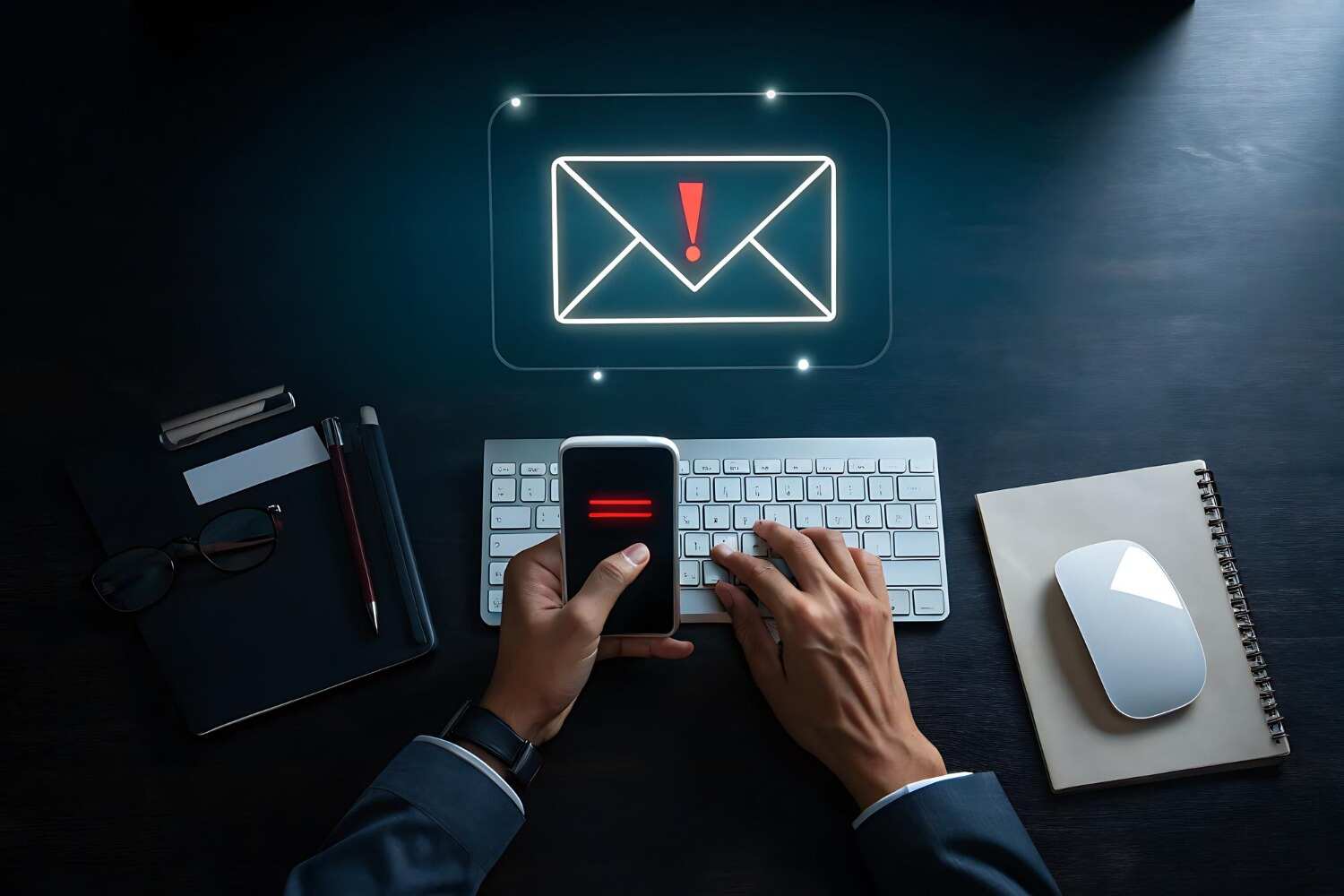
It takes hours to create a perfect email campaign. You write a subject line, test it, design the email, polish it, add a short CTA and then… nothing. Opens crawl to a stop. Replies dry up. Your reader never even received your email. Half your list never even sees the email. Sad right? Why does this happen? There is a high chance that you’ve been blacklisted.
Even good senders can face this more often than you’d expect. It’s usually not personal. It simply means something about your sending habits may have triggered a spam filter.
But the good news is you can avoid email blacklisting or recover it.
In this complete guide on blacklisting, we will break down what email blacklisting really is, why email marketers face this, how it can quietly hurt your SEO, and how to remove from blacklist. So, keep on reading!
Before we discuss tips on how to avoid email get blacklisting, you need to know what exactly email blacklisting is. So, basically, an email blacklist (sometimes called a DNSBL, or Domain Name System-based Blackhole List) is a security system that stops fake email from landing in the inbox and sends it to spam or blacklist it. It is a real-time database of IP addresses and domains that are flagged for sending spam. Internet service providers (ISPs), mailbox platforms like Gmail and Outlook, and dedicated anti-spam organizations maintain blacklist and check every incoming email against them.
Every email that lands gets a quick background check. If your sending IP or domain shows up on the list, your message gets rejected, quarantined, or dumped straight into spam. Your subscriber doesn’t even get a chance to see it.
Blacklisting exists for a reason. Spam still makes up a massive share of daily email traffic, and these filters are what keep inboxes usable. But when a legitimate sender gets caught in the net, it can quietly wreck an otherwise solid email marketing service and campaign strategy.
It is smart to know what can make your email get blacklisted to stay safe. Blacklisting isn’t random. It’s almost always triggered by a handful of avoidable patterns:
Blacklists look at your sending behavior, not your intentions. So, you may get listed even when you mean no harm, simply because your emails look suspicious.

Indirectly, yes. It’s a connection a lot of marketers miss. Blacklisting itself doesn’t touch your Google rankings directly. Search engines don’t crawl your email server. But the downstream effects absolutely bleed into SEO:
Blacklisted email campaigns mean fewer people clicking through to your website. It softens the traffic and engagement signals that support your SEO performance.
If your emails aren’t landing, then fewer people are searching your brand name or clicking into your content – a metric search engines do notice over time.
If the same vulnerability that got your email blacklisted (like malware or a hacked server) also touches your website, Google can flag your site directly through its own Safe Browsing and security checks – a much bigger SEO hit.
A blacklist does not hurt your rankings that much, but it can slowly reduce your email traffic, engagement, and reach. That’s why email deliverability and website health both matter for your online reputation.
You don’t need to panic if your email is blaclisted. There are hundreds of blacklists out there, and landing on a small one usually resolves itself within days. But if you’ve confirmed you’re on a major list, here’s how to work through it:
If you’re sending through a dedicated email marketing service, lean on their deliverability team. Most reputable platforms will handle communication with blacklist operators on your behalf.
Staying off a blacklist comes down to one habit: treat your list like a living asset, not a static file.

When you write the email the right way, it reduces the chances of getting blacklisted. Avoiding a blacklist gets you past the gate. Getting opened and read is a different battle. But both are more connected than they look, since engagement itself is an email deliverability signal.
Write email subject lines that aren’t stuffed with spam trigger words (“free,” “act now,” excessive punctuation). In email content, personalization consistently lifts open rates.
If you have created image-only emails with almost no text, it may be read as suspicious to spam filters. Keep the balance.
Most emails are opened on a phone first. So a cramped or broken layout costs you both engagement and reputation.
Erratic sending patterns, which means silence for months, then a flood of emails, look exactly like a hijacked account to ISPs. So your email campaign should follow a sending pattern.
A visible unsubscribe link minimizes spam complaints because people who want to get out of email they just easily can click “unsubscribe” instead of “report spam.”
Run every campaign through a spam-checker email tool to catch flagged words, broken links, or formatting issues before they hit real inboxes and damage your sender reputation.
Email blacklisting isn’t a life sentence, but it’s a signal that your email campaign has something wrong and you need to pay attention. It could be your list quality, your authentication setup, or your content strategy anything. Email blaclisting damage your long-term email marketing strategy, so ignoring it is not correct.
So, if you focus on email list hygiene, authentication, and subscriber consent and make it an ongoing habit, you will face less blacklisting. Make these email marketing first steps an ongoing part of your process; monitor your sendings regularly, and blacklisting becomes a rare inconvenience.
How can you get your email address off an email blacklist?
To get your email off a blacklist, you need to first check which list flagged you, then fix the root cause of spam behavior. Lastly, you have to submit a removal request to that email service provider.
Can I check if my email address is blacklisted?
Yes, with the help of online scanning tools, for example, Mailmeteor blacklist checker & EmailListVerify Checker, you can simply check if your email address is blacklist or not. You can also check your IP address blacklisting by writing your public IP address into these blacklist checking tools.
How do I remove my email address from the blacklist in Outlook?
If your email is stuck in Outlook, open the Settings menu, click Junk email settings, then remove that email address from the blocked list.
How do I avoid email blacklisting when sending bulk emails?
When sending bulk emails, you should set up email authentication(SPF, DKIM, DMARC), maintain email list hygiene by regular cleaning and using suppression list support, and lower spam rate to avoid email blacklisting.
Can a cold email marketing VPS help me avoid spam filters and email blacklisting?
No. A virtual private server (VPS) can not help you avoid spam filters and blacklisting; instead, it can affect email deliverability. It gives you control over technical configuration.