Physical Address
304 North Cardinal St.
Dorchester Center, MA 02124
Physical Address
304 North Cardinal St.
Dorchester Center, MA 02124

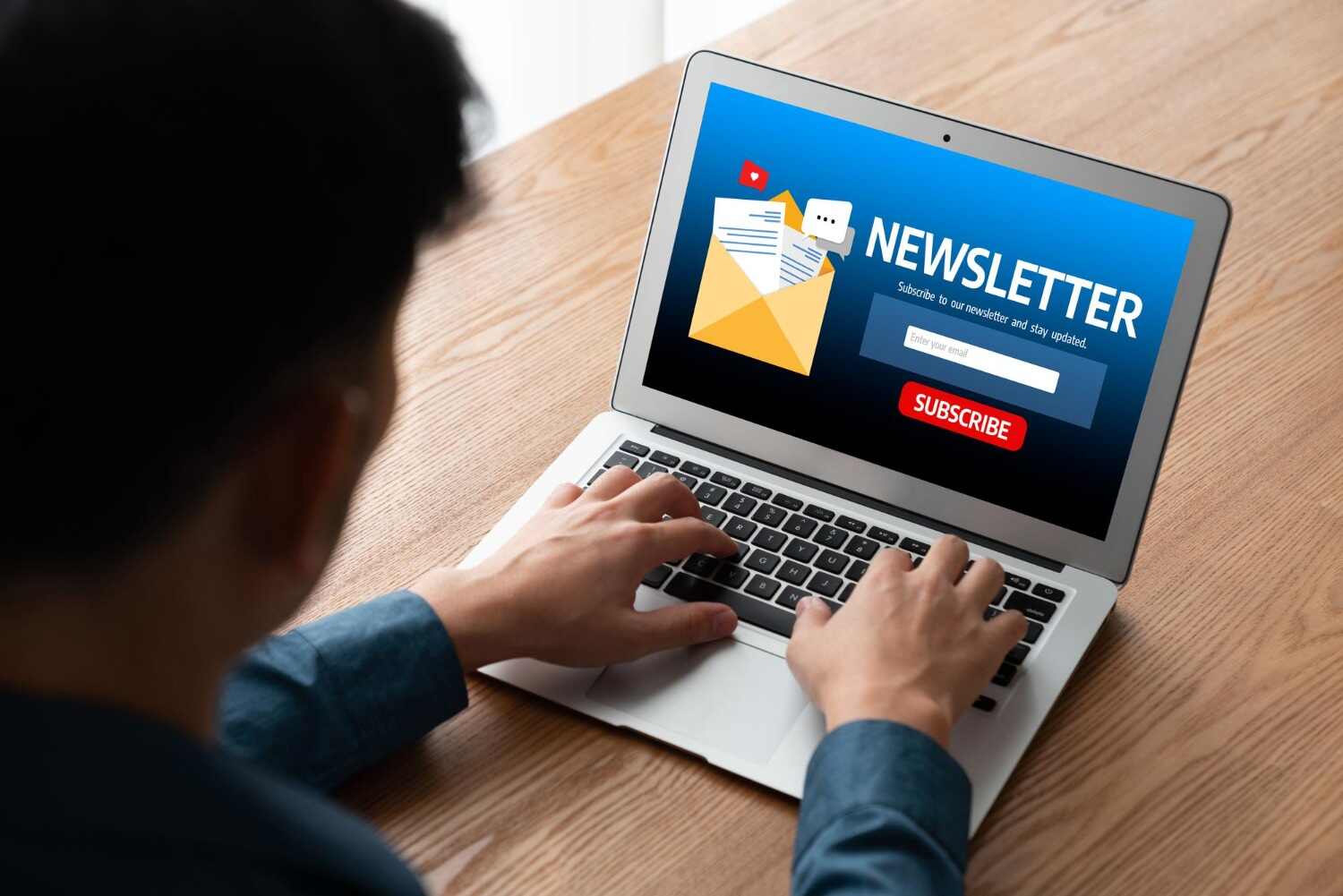
You open your inbox. You scroll past five emails without a second thought. Then one stops you. You read it. You click.
What made that one different? That’s exactly the question this blog answers.
Most businesses know they should be sending email newsletters. But knowing what type to send, what to write, and how to structure it is the real challenge; that’s where things get confusing. This guide breaks down 10 types of email newsletter examples, teaches you what makes each one work, and shows you how to apply those lessons to your own campaigns. No matter what industry you’re in.
Whether you’re just getting started with email marketing platform or looking to sharpen what you already have, these examples will give you a clear direction.
Here’s the honest truth that a lot of newsletters land in inboxes and go nowhere. Not because email doesn’t work, but because the email wasn’t built with a purpose.
The most common mistakes marketers make:
The best email newsletter examples you’ll find across top brands have one thing in common. They write every email as a conversation pattern, not a broadcast. That shift in mindset changes everything.
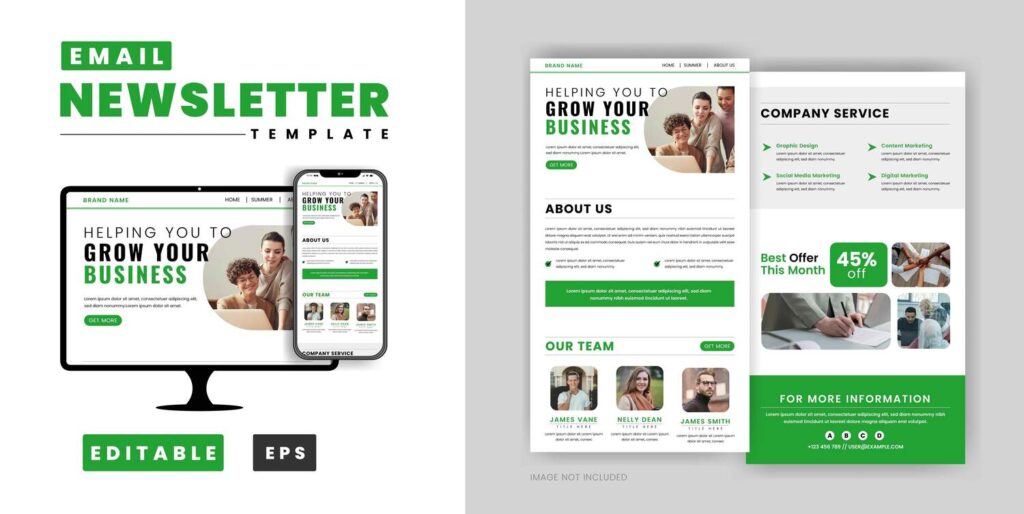
Here is the list of what types of newsletters you can use to evolve your business email marketing. Take a look and grow engagement.
When someone just signed up to your platform, they will be curious, slightly hopeful. Leave your first impression of the brand by sending a great welcome email. Your email should not try to sell immediately. Your welcome email should introduce the brand, set expectations for what’s coming, and give the subscriber a reason to look forward to the next email.
Real newsletter example: Take a look at how Frank and Oak, the fashion brand, sends a welcome email with a 15% discount and a clean layout. It immediately shows subscribers what they signed up for. So add your welcome email. Just a warm hello and a clear next step. No clutter. No fluff.
What you can include:
What Lesson did you learn?
Welcome emails give one of the highest open rates compared to any email type. You must know that your first touchpoint sets the tone for your entire relationship. So, don’t waste it with a generic “You’re subscribed!” message.
When your business is having a sale, launch, or limited-time offer, and you need people to act on it, then you send a promotional newsletter. Make sure you focus on clarity over cleverness. The reader should know the offer in three seconds flat before they even scroll.
Promotional newsletters example: From ecommerce brands like Sephora or Nike rarely bury the deal in their promotional newsletters. The subject line says it. The header repeats it. The CTA confirms it. Everything points in one direction.
What to include in the best promotional newsletter:
What Lesson did you learn?
Don’t make subscribers work to understand the offer. If the deal needs two paragraphs of context before it makes sense, simplify the offer first.
Although your subscriber isn’t ready to buy yet, they need information, confidence, or expertise from you first. This is the right time to send genuinely useful email content that doesn’t feel like a pitch. This is the type of newsletter that builds long-term trust.
An educational newsletter example: Morning Brew built one of the most loyal newsletter audiences in the world by making business and finance news feel conversational and easy to digest. They deliver pure value daily. No jargon. No fluff.
What to include in such a newsletter?
What Lesson did you learn?
People unsubscribe from brands that only sell. But they stay subscribed to brands that teach them something useful.
Do you want to keep your audience engaged between product launches or promotional pushes? You are choosing the right newsletter. You can pull together 3–5 relevant links, articles, or resources that your audience would genuinely find useful. Also, you should add your own brief take on each.
Curated content newsletter example: The Hustle built its reputation almost entirely on curated content with a strong editorial voice. Readers came back not just for the links, but for the commentary.
What can you include in yours?
What Lesson did you learn?
Curation isn’t laziness; it’s a service. When you save your reader time and filter the noise, they trust you more.
When a shopper added something to their cart but left, this is the situation when you send an abandoned cart email to brings them back. This reminds the shopper of exactly what they left behind, why it was worth buying, and makes it ridiculously easy to complete the purchase.
Abandoned cart email example: Popular brands like Amazon or Kizik show the product clearly, often with an image, the product name, and the price right in the email templates. Kizik famously wrote this line, “Your Kiziks Are Lonely”, in the email subject line. It looks playful, memorable, and instantly relevant. You can also send it without manual effort using Truesend’s readymade abandoned cart email templates.
What to include in an abandoned cart email:
What Lesson did you learn?
Abandoned cart emails are consistently the highest-converting automated email type. If you’re not sending them, you’re leaving money on the table. The estimated cart abandonment rate is around 70%; even recovering a fraction of those makes a big difference.
In case someone just created an account or joined your platform. They need guidance, not silence. So send a short, step-by-step email that gets the user to their first “win” as fast as possible.
User invitation email example: You can take a look at user invitation email templates from SaaS tools like Workona or Slack. They guide new users through the first few actions that they need to take, not everything at once. Make sure you add the right things in the right order. They often include a short checklist or a “Start Here” CTA.
What to include in your user invitation email templates:
What Lesson did you learn?
Onboarding emails reduce churn. When a new user doesn’t know what to do next, they do nothing and eventually leave. At that time, sending a clear, friendly invitation to “get started” plays a relevant role.
When you want to keep your subscribers updated about all the things that are happening with your business, you send them a company newsletter. It covers milestones, product updates, and team stories. Make sure your company newsletter templates make the reader feel like a human, not a press release. It should be like “here’s what we’ve been up to” type.
The Company / Brand Newsletter example: Basecamp and other product-led brands send company newsletters that mix product updates with behind-the-scenes content. They show personality. They use real names. They don’t sound like they were written by a committee.
What to include in yours?
What lesson did you learn?
People subscribe to those businesses with which they connect. they dont just see the products but their long-term relationship with the brand. Thus, a company newsletter templates that show a human side builds deeper loyalty than any promotional email ever could.
When you want to highlight one product or category and create awareness and desire instead of running a sale, you send an E-Commerce Product Spotlight Newsletter. You have to create clean e-commerce email templates that let the product speak for itself. Good storytelling around why this product exists, who it’s for, and what makes it worth owning. You can use ready-made email templates from TrueSend or also modify them as per your brand.
E-Commerce Product Spotlight Newsletter example: Brands such as Away (luggage) and Beardbrand have frequently sent product spotlight emails that read like a magazine article rather than an advertisement. Their writing is confident, the product description is specific, and the CTA is simple.
What to include in yours?
What lesson did you learn?
Not every email needs a discount. Sometimes a well-written product story is enough to drive a purchase. Great E-Commerce email templates prioritise desire over urgency.
If your listed people have stopped opening your email for 60–90 days, then it’s high time to win them back or remove them. Make your email honest and add a little personality. Acknowledge the silence, give them a reason to engage again, and make it easy to either re-engage or gracefully unsubscribe because a non-engaging audience affects the email deliverability and sender reputation.
Re- engagement newsletter examples: Re-engagement emails from Duolingo’s mascot owl are known for saying, “We miss you.” It’s entertaining, consistent with the brand, and successful. A reminder to the reader of what they’re missing is more important than guilt-tripping them.
What to include in yours?
What lesson did you gain?
A smaller, engaged list outperforms a large, unresponsive one every single time. Re-engagement newsletters help you keep your list healthy and your metrics meaningful.
It’s a time when there’s a holiday, a major shopping event, or a seasonal moment that’s relevant to your audience. A perfect time to send a seasonal newsletter. So, write an email that does not compromise on timeliness and relevance. The best seasonal newsletters don’t just slap a holiday graphic on a regular email, but they connect the occasion to something genuinely useful for the reader.
Real seasonal / event newsletter examples: Pharmacy brand Mulligans sends winter wellness newsletters in January with relevant health tips. It does not serve just promotions. The content acknowledges what subscribers are dealing with right now, then ties products in naturally.
What can you include?
What lesson did you gain?
In the seasonal newsletter, your calendar is your powerful content strategy. When you come up at the right moment with the right email, your open rates and conversions will reflect it.
After studying all the best email newsletter examples across industries, a few things show up consistently:
A clear purpose – Every email exists for one reason. Readers understand when you write an email just to “send something”, and so, they don’t engage with it.
A human voice – The best newsletter examples read like they were written by one person to one person. Not a brand to a list.
One primary CTA – Not five links. Not three buttons. One next step, made obvious.
Relevant content – The email says something that matters to the reader right now – based on who they are, what they’ve done, or what’s happening in the world.
Mobile-friendly structure – Over 60% of emails are opened on mobile. Short paragraphs, clear headings, and simple layouts aren’t optional anymore.
Having great ideas for newsletters is only half the battle. The other half is execution, and that’s where your email marketing platform either helps you or holds you back.
A good email marketing platform lets you:
A newsletter that people read and that one gets deleted often has basic differences, and that is right timing, segmentation, and automation, etc, and that’s exactly what the right email marketing platform is built to handle, so you take a rest.
The best email newsletter isn’t the one that is most beautifully designed or the most clever. It’s the one that presents the right message, for the right person, at the right moment. Every example in this guide, for example, welcome emails, abandoned cart emails, educational newsletters, and re-engagement campaigns, completely shares that same foundation. When you start thinking about your email list as a community of real people with real needs, your newsletters stop feeling like work and start becoming one of the most powerful tools in your marketing stack.
What is the best type of email newsletter to start with?
The welcome email will be your best first choice to start with. You can send it to every new subscriber automatically and get the highest open rates of any email type. Get that right first, then build from there.
Do I need email newsletter templates, or can I build from scratch?
Email newsletter templates save you significant time and reduce the chance of broken layouts, especially on mobile. So, absolutely, you do not need it, but they are a smart starting point. You can build it from scratch, which gives full flexibility, but it takes more time and effort.
What should user invitation email templates include?
User invitation email templates should include a warm welcome, a clear explanation of what the platform does, and 2–3 simple steps to get started.
What’s the difference between a company newsletter template and a promotional email?
A company newsletter template includes broader updates like product news, team stories, milestones, content, and community, whereas a promotional email has one job. It is to drive a specific action, like a purchase or a sign-up. Add both into your strategy, but remember that they serve different moments in the customer relationship.
How often should I send email newsletters?
Although there is no universal schedule, in a newsletter, consistency matters more than frequency. A weekly newsletter that’s genuinely valuable beats a daily newsletter that’s filler. So you can start with once a week or twice a month, and adjust based on what your engagement data tells you.