Physical Address
304 North Cardinal St.
Dorchester Center, MA 02124
Physical Address
304 North Cardinal St.
Dorchester Center, MA 02124

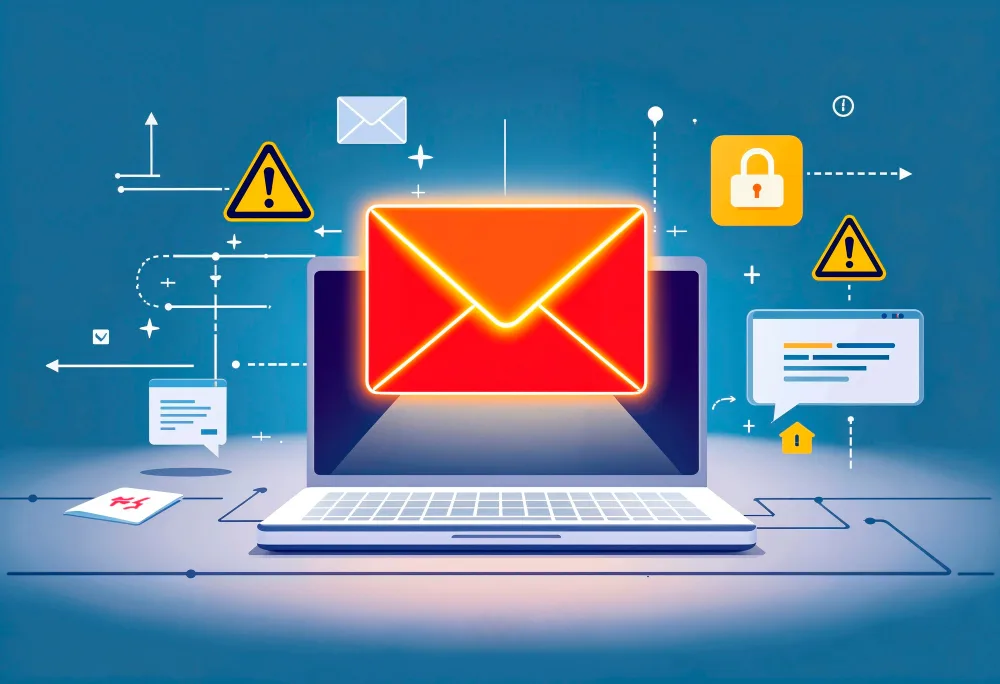
A customer may ignore your email within seconds, but the impression it leaves can stay much longer. This is when email etiquette rules start. In 2026, inboxes are more crowded than ever. Businesses send newsletters, promotional offers, follow-ups, onboarding emails, automated reminders, and customer support replies every day. At the same time, customers have become more selective about what they open, read, and respond to.
That is exactly why understanding “what is email etiquette” matters for modern businesses and marketers in email campaigns. In fact, reports suggest that more than 376 billion emails are expected to be sent daily worldwide in 2026. That means businesses are not only competing for sales anymore. They are competing for attention.
This guide explains the most important professional email etiquette rules businesses should follow to communicate professionally and create better email experiences for customers.
Email etiquette refers to the professional and respectful way of writing, formatting, sending, and replying to emails. It includes subject lines, tone of communication, Formatting, Response timing, clarity, follow-up behavior, professional greetings, etc.
In simple words, email etiquette is digital professionalism. Every email represents your business. A well-written message tells customers your brand is organized, trustworthy, and professional. Along with that, it improves engagement and strengthens customer relationships. whereas if you ignore email etiquette and write poor emails, it can create confusion and reduce credibility.
For marketers, email writing etiquette also affects how subscribers respond to an email campaign. Even small communication mistakes can lower engagement and increase unsubscribe rates.
The way people open up email and read has changed in 2026. Their attention span has reduced, and now they want something strong to push them to open an email. Besides this, AI-generated content is increasing so rapidly that now customers expect more than you think in email campaign. Also, most of the readers now started to open emails on mobile phones, so you need to keep in mind that you use mobile-friendly templates.
Business email etiquette is not just a rule box, but it builds your brand’s identity and aura, especially in businesses. Now, customers expect communication that sounds personal, clear, and helpful instead of robotic. How quickly they decide whether to open or not is the main reason your business needs professional email writing etiquette.
Clear and respectful communication helps businesses:
For businesses or brands, using email automation and an email marketing service, communication quality directly impacts their open rates, click-through rates, Customer trust, Deliverability, Email campaign performance, etc.
Businesses using email automation also need to remember that automated emails still represent the company. Technology can automate delivery, but it cannot replace professionalism and clarity.
Here we will know what the top 17 professional email etiquette rules that you can’t skip for branding are.
Your subject line is the headline in your email that decides if the email gets opened or ignored. When you write unclear or spammy lines like ‘Important’, ‘Urgent!!!’, or ‘Check This Now’, it usually reduces trust.
Instead, you should write clear and direct subject lines.
For example:
For marketers running an email campaign, subject lines also affect deliverability and open rates.
Use your email’s formal language to sound professional according to business email etiquette. Greetings create the first impression, and so respectful and natural communication works better in modern business emails.
Start with a simple and personalized opening like:
Now, readers do not want to read long and confusing emails. They quickly close the email. Your business emails should instantly explain:
Shorter emails improve readability, especially on mobile devices.
Your email should not be complicated in wording, as it pushes the reader to leave the email in the middle. Act smarter!
For example:
Instead of writing “Kindly revert at your earliest convenience.”
You may write “Please let us know your thoughts.”
Simple communication improves understanding and creates a more natural reading experience for customers.
Your tone describes your brand standard and status. So, it can completely change how an email is interpreted. Let me clear it up for you.
Understand with this example:
“As already mentioned earlier” This may sound passive-aggressive.
Whereas you can use a softer version, which sounds more professional, like:
“Just following up on the earlier update.”
This email etiquette rule no. 5 is especially important in customer support, sales conversations, and internal communication.
The words you decide on will determine whether the user opens your email again in the future or not. So, emails written in all caps can look aggressive. Additionally, small formatting details affect professionalism.
For Example:
“PLEASE RESPOND IMMEDIATELY” looks much harsher than when you write “Please share your response when possible.” The second one sounds more humble and cooperative, and this is the time when you build a relationship with your customer.
If your email has grammar mistakes, broken links, wrong names, or missing attachments, let me tell you that it can damage your brand’s credibility quickly.
Before sending an email:
This becomes even more important when sending automated campaigns to large audiences.
Most users now open their emails on mobile. Your large text blocks may be difficult to read on phones and desktops. Make sure you use a clean layout so that the reader understands your email faster. See what a good format includes:
It is very important to have good email etiquette for business to build a reputation. Your email communication should not waste the reader’s time.
For that, you need to avoid repetition in repeating information, long introductions, and unnecessary explanations. Talk in email to the point early and keep the message relevant.
Your quick response to email shows your business’s professionalism and reliability. Even if you do not have the complete answer yet, acknowledge the email.
You know, even a simple response like:
“We received your message and will update you shortly.”
helps maintain trust and keeps communication active.
Use every feature smartly; not every reader needs every email update. So, when you use “Reply All” excessively for every email, it creates inbox clutter and also distracts teams from important communication. Only include people who genuinely need the information.
Forgetting attachments is still one of the most common email mistakes. If you are attaching a file, mention it clearly in the email and double-check before sending.
Additionally, your professional file names also matter a lot. It should be clear and to the point.
For example,
NOT RIGHT – finalnewv2.pdf
BETTER – Q2_Email_Campaign_Report.pdf
Your professional email signature plays a role in higher ROI rates in email marketing campaigns. The email signature should look clean, informative, and keep the font, type size, and text color the same as the rest of the email. Avoid oversized images, quotes, or excessive styling.
Your email signature should include:
Humor does not always play its role in professional emails until you know your reader very well. When you use casual jokes or too many emojis, it may reduce professionalism. A friendly tone works well; humor without facial expression can worsen the situation.
Many businesses now rely on AI tools and email automation for faster communication. But customers can quickly recognize emails that sound copy-pasted or robotic.
Even automated emails should sound conversational and personal. The best email automation strategies save time without removing the human side of communication.
This is one of the most important email etiquette rules for marketers. You should not use too many urgency words, capital letters, misleading claims, and promotional phrases, as it can reduce trust and harm email deliverability.
Bad examples:
Better examples:
Always remember that if you follow professional communication, it performs better in the long term rather than using pressure-based messaging.
Multiple businesses often create automated email workflows but forget to review them later. But customer expectations and communication styles continue changing.
So you need to review all automated emails actively, for instance:
You need to check if they are still sounding relevant, professional, and updated, or need changes. Your good email automation should improve customer experience instead of making communication mechanical.
Even experienced businesses or brands sometimes make common mistakes in email writing. So it is not a big thing, you just need to keep an eye on it and do regular reviews.
Read what the common mistakes in email etiquette are to avoid them smartly.
Besides all these email mistakes, another growing issue in 2026 is that brands publish AI-generated emails without reviewing their tone or clarity. AI tools can support productivity, but human editing still matters.
Give a minute before you hit send email and tick all these checklists given below:
Small checks like these help businesses avoid common communication mistakes.
Many businesses focus heavily on automation tools, design, and analytics while not noticing communication quality.
But email etiquette directly affects:
When your emails sound clear, respectful, and relevant, people respond to such emails that improve engagement and more. This is the reason businesses that are using platforms like TrueSend should also focus on communication quality alongside email automation and email campaign performance. The most successful email campaigns combine smart technology with thoughtful communication.
Business email communication is touching its best time with tools like AI-powered personalization, smarter segmentation, email automation, and advanced targeting tools with email marketing platforms.
But even with these changes, customers still prefer genuine communication. Technology can automate delivery, but professionalism and clarity continue to build long-term customer relationships.
Businesses that combine strong email etiquette with modern email marketing service tools will continue standing out in crowded inboxes.
Understanding “what is email etiquette” is not just about writing polite messages, but it is also about creating professional, clear, and reader-friendly emails. The core aim of using email etiquette is to strengthen relationships, support business growth, build trust, improve engagement, improve email campaign performance, and maintain a professional brand image.
In 2026, businesses are not only competing for clicks and conversions. They are competing for attention and trust. And sometimes, one well-written email can make all the difference.
Why is professional email etiquette important for businesses?
Professional email etiquette is very important for businesses as it improves customer bond through effective communication, establishes trust, and upgrades a brand’s reputation.
What are the most important email etiquette rules?
The most important email etiquette rule is writing clear subject lines. It decides whether the reader will stop reading. Then pay attention to length (concise emails, proofread messages, maintain a respectful tone, and follow up politely.
How does email etiquette affect email campaigns?
When you apply good email etiquette, it improves open rates, customer engagement, deliverability, and long-term subscriber trust, which is crucial in an email campaign.
What are the 5 email etiquette rules?
Take a look at the top 5 email etiquette you can’t skip-
What are the 7 C’s of email etiquette?
The 7 C’s of email marketing are clear, Concise, Concrete, Courteous, Correct, Complete, and Considerate. With these principles, your business will write professional, easy-to-understand, and effective emails.