Physical Address
304 North Cardinal St.
Dorchester Center, MA 02124
Physical Address
304 North Cardinal St.
Dorchester Center, MA 02124

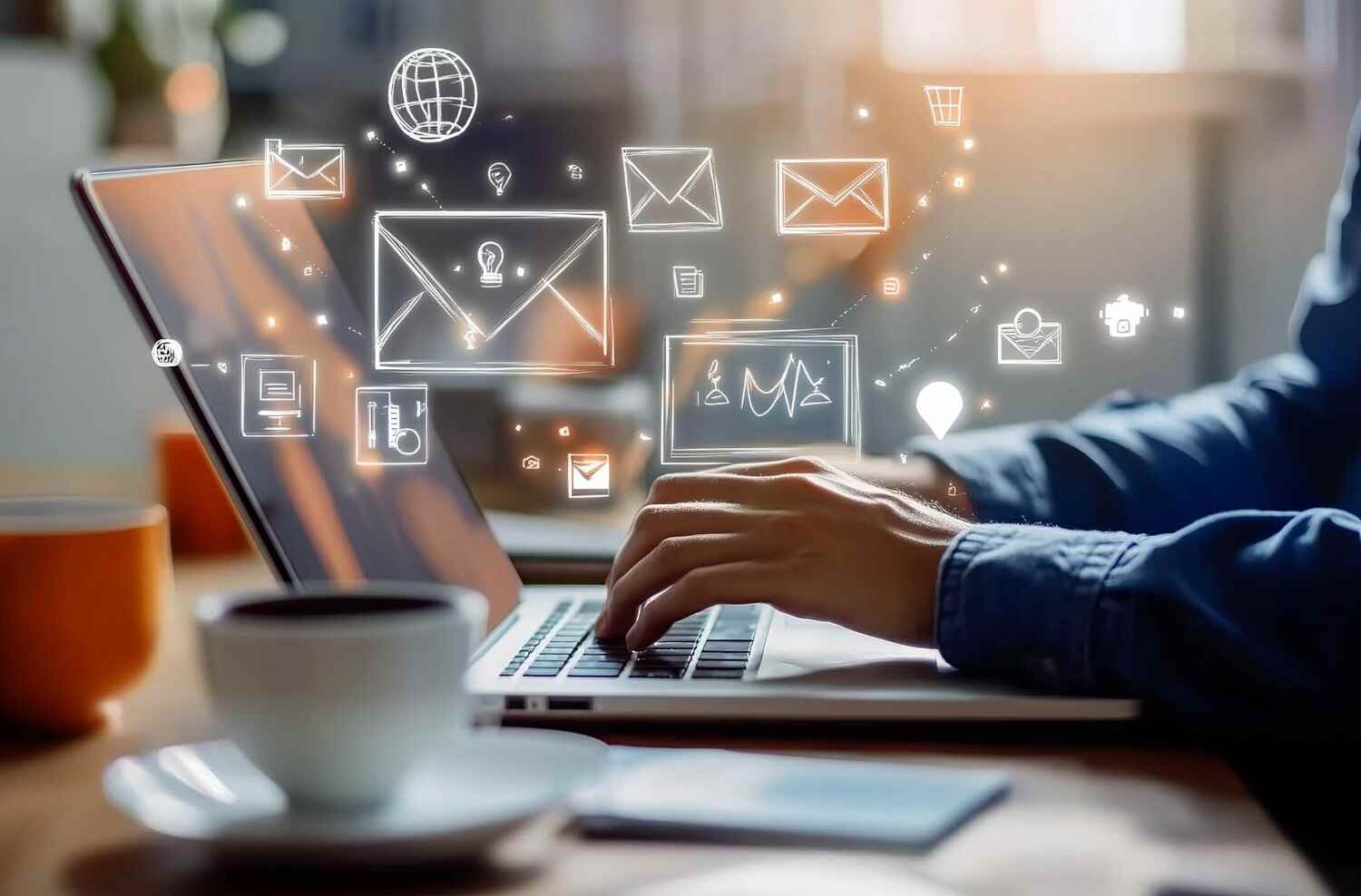
You’re probably trapped in a cycle if you’re here for email marketing automation examples in 2026. In fact, most enterprise teams find themselves stuck in a loop: cluttered calendars, unorganised lists, and declining ROI on high-volume campaigns. In the meantime, high-intent signals such as retention vulnerability, user onboarding hurdles, and product views reach expiration earlier, before your team can act on them.
Email automation consistently delivers higher results than batch blasts. That’s because it follows up when interest is still fresh. Compared to non-automated sends, automated email campaigns generate 300% more revenue. Changes in privacy make open rates less transparent, and marketers cannot optimise for vanity analytics anymore. The main point is the timing of the message and what the user does – driving traffic, capturing leads, and retaining customers.
Top organisations rely extensively on email automation to eliminate that friction. They allow you to leverage event-driven workflows, rule engines and behavioral data to trigger customised emails at scale throughout the lifecycle.
Email marketing automation is a software that automatically sends out targeted emails to subscribers based on different triggers. These can be customer actions, data conditions or time frames.
The system reacts to customers’ actions without manual involvement, instead of sending each campaign with automation. When a person abandons their cart, downloads a resource, or joins your list, the right email is sent right away. You don’t need to hit ‘send’ manually every time.
You create flows once, and the system runs them in real time as buyers interact with your e-commerce store.
At TrueSend, we have organised email automation examples for both B2B and B2C applications. We have used trigger-based (that respond to specific actions) and segment-based (that target specific groups) approaches.
Each email type denotes an opportunity for creating standout brand interactions across the customer experience, reinforcing brand connections and driving business growth.
Listed below are some examples of email automation used by businesses for building relationships and generating revenue.
Firstly, we will delve into examples that activate automatically upon taking specific actions by customers:
When a subscriber opts in to your list, they are looking to hear from you. Welcome emails lead the way for your entire relationship and perform remarkably well.
To begin with, introduce your brand story and values in a way that feels personal. Define parameters for communications in the future. This way, it’ll be easier for subscribers to know what’s on their way.
Offer valuable resources or premium content to your subscribers. This makes them feel great for joining. Above all else, include a precise next step, accelerating their adoption across your ecosystem.
According to a survey, around 70% of e-commerce shoppers leave a website after they add products to their cart.
The high drop-off rate is because online shoppers often compare deals across a number of websites before finally deciding to purchase.
Automation of abandoned cart email can help you in increasing customer retention and getting your customers interested in purchasing back.
Here’s how to make your abandoned cart recovery email effective and successful:
An appreciation email acknowledges what the customer has done and reinforces positive feelings about their purchase decisions. These messages nurture customer loyalty and drive repeat purchases.
Express genuine appreciation and gratitude for their action. It should not be the matter of automatic politeness. This will make them feel confident about their purchase decision.
Provide them with next steps if relevant. However, you must avoid overwhelming them. Offer them ways to make it easy for them to share their experiences with others. Why? Because happy and satisfied customers are the best marketers.
Someone signed up for your service? Now, you must consider onboarding email sequence examples to guide them through initial setup and feature discovery as well. These examples help boost retention and increase the adoption of a product or service.
Effective onboarding looks like:
What should you do when customers try to lose interest in your product and drop it midway? A win-back email is a great way to get them excited back.
Customers try competing services frequently and sign up for various free trials. However, they forget to complete their experience. A well-crafted win-back email can help bring them back.
Here’s what a highly effective win-back email includes:
Dormant subscribers having an effect on engagement analytics is one of the major pain points for email marketers.
When regular customers choose not to interact with your product or service, re-engagement emails get triggered.
Make sure your win-back email guidelines include:
These examples target specific groups of customers based on factors such as behaviours, characteristics, or geography:
When you understand customer satisfaction, it helps improve your products and services. Moreover, it shows them that you care about them and value their opinions.
Ensure that you ask them at the right time in their buyer journey, when they have something useful to say.
It works to your advantage if you make participation easy and quick. That’s because people hardly have time. You have to demonstrate how their input leads to real improvements, not just data.
Regular follow-ups on changes made shows appreciation for their time and input.
Metrics-driven recommendations feel useful instead of focusing on sales when performed well.
These campaigns capitalise on behavioural patterns to suggest appropriate items.
Evaluate browsing and buying patterns. This will help you understand what it is that they actually want. Suggest items at the right time when they are inclined to be interested.
Give them an explanation regarding recommendations and why they make sense considering their past choices. Make their discovery feel simple and valuable. They should not get a feeling that you’re monitoring everything they do.
For new offerings, your existing customers are often the best prospects. Launch campaigns not only result in excitement, but they also generate early adoption among your audience.
Here’s what product launches must do:
Customer testimonials and reviews prove more beneficial when it comes to building trust than promotional claims.
Social proof campaigns capitalise on happy customers so they can capture new customers’ attention.
Avoid using scripted customer stories. Instead, focus on sharing authentic ones and outcomes that feel real.
Awards, Certifications & Recognitions from reputable sources. If the numbers are great, show usage stats and size of the community.
Show prospects that success can be achieved by using relatable email automation examples.
Lead-nurturing emails target prospective customers. They are the ones who have interacted with your product. However, they have yet to make a purchase.
The purpose is to interact with them and drive conversions.
A highly effective lead-nurturing email:
Contests are fun and generate word-of-mouth traffic. These email automation examples entice new subscribers and connect with existing ones.
Interested in running successful contest campaigns? Here’s what you should do:

Some of the proven practices are listed below for you to follow, enhancing automation effectiveness and avoiding common pitfalls:
Give your business a competitive edge in 2026 with these 12 email automation examples. When you merge prompt behavioural triggers with clear, valuable messages, it leads to the creation of emails subscribers really enjoy opening. Avoid having that pressured feeling to launch everything together. Keep your audience’s preferences front and center, and allow these automated workflows to drive high-intent conversions all year long.
1. What is email marketing automation?
Email marketing automation is software that delivers targeted, behaviour-triggered emails to customers automatically. These emails are based on actions customers take or don’t take. They send customised messages without human intervention.
2. What are the different types of automated email campaigns?
Welcome series, cart abandonment, browse abandonment, post-purchase, win-back, replenishment emails. Each email is driven by a specific subscriber action or inaction.
3. What is the difference between email marketing and marketing automation?
Email marketing is sending the same message over a list, usually as a campaign blast or a newsletter. Marketing automation, by contrast, sends different messages to different individuals based on their behaviour and characteristics.
4. Which email automation workflow yields the highest conversion rates?
Welcome email series consistently contribute to higher engagement and conversion rates for new subscribers.
5. How does automation improve email marketing results in 2026?
It delivers customised, on-time messages based on user behaviour without requiring human effort.